







Search Results for: Cafe Transformation
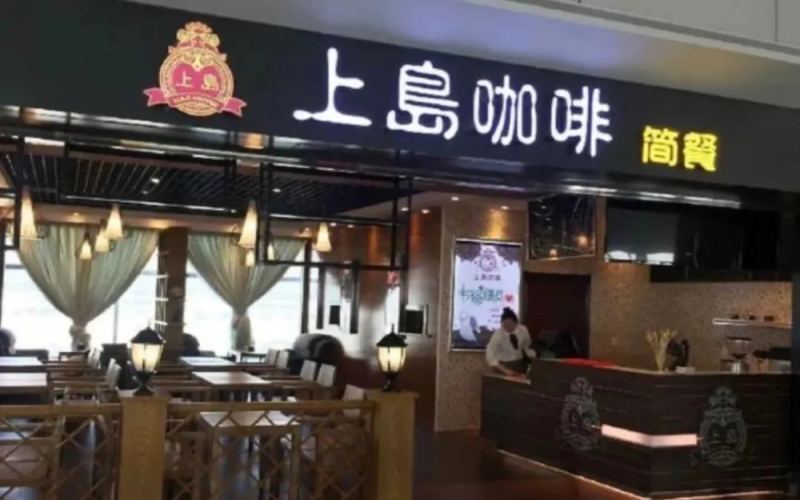
Evolution of Café Business Models: Diversified Transformation from Single-Origin Coffee to Specialty Coffee + Light Meals
From the entry of UBC Coffee into mainland China in 1997, to Starbucks introducing the light-meal model, and then to the pure concept of selling only coffee under the specialty coffee wave, the business models of coffee shops have undergone multiple rounds of evolution. Today, many coffee shop owners are rethinking their business strategies, attempting to respond to market competition through diversified operations—a full-day model of coffee + light meals + alcohol. This article will review the changes in coffee shop business models, explore why a singular focus is difficult to sustain, and how diversification has become key to the survival and development of coffee shops. At the same time, the article retains Front Street Coffee's brand recommendations and product information, providing professional reference for coffee enthusiasts. [more…]
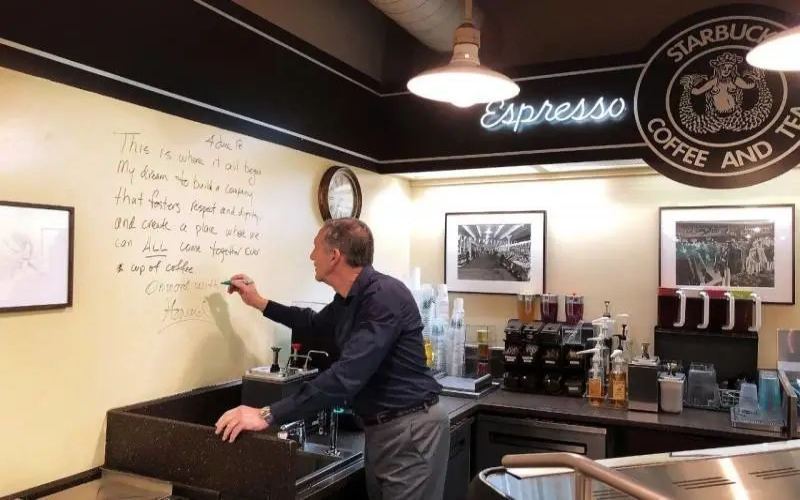
Schultz Takes the Reins at Starbucks Again: Transformation Plan, New Equipment, and Challenges in the Chinese Market
Starbucks founder Howard Schultz has returned as CEO following Kevin Johnson's retirement, facing multiple challenges including the U.S. unionization movement, food safety controversies in the Chinese market, and damage to the brand's image. At the 2022 annual shareholders meeting, Starbucks announced plans for equipment upgrades, beverage innovation, employee pay raises, and store expansion. This article will examine Schultz's transformation strategy after his return, analyze whether he can lead Starbucks out of its difficulties in just half a year, and explore the competitive pressures in the Chinese market. [more…]

Goubuli Group Enters the Coffee Arena: Seven Years of Transformation After Acquiring the Master Franchise Rights for Australia's Gloria Jean's in China
When Tianjin's Goubuli steamed buns also pick up a coffee cup, China's coffee market competition landscape gains another highly talked-about player. From spending heavily in 2014 to acquire the franchise rights in China for the Australian brand Gloria Jean's, to establishing a dedicated coffee food company in 2022, the Goubuli Group's exploration in the coffee sector has spanned more than seven years. How far is the distance between the original vision of opening 200 stores in five years and reality? Facing encirclement by new and old rivals such as Starbucks and China Post, can this time-honored brand find its own place in the coffee track? This article sorts out the key milestones and current situation of Goubuli's cross-industry coffee venture, for coffee enthusiasts' reference. [more…]
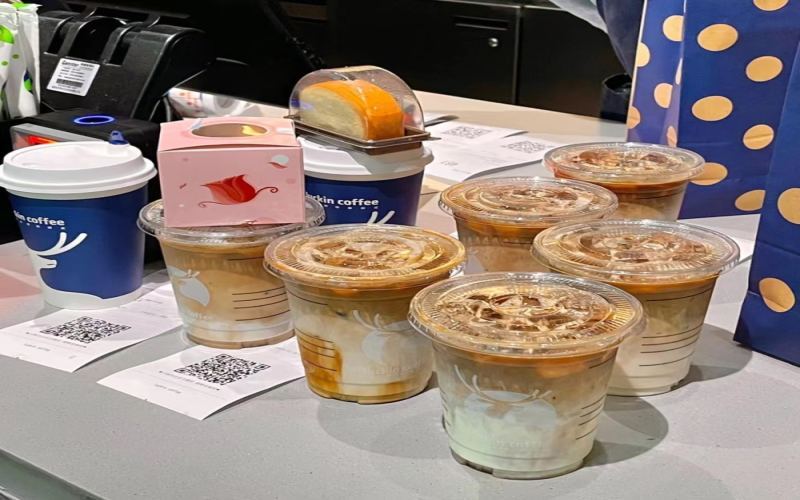
A Deep Dive into Luckin Coffee's Top 10 Popular Drinks: From Financial Crisis to a Stunning Comeback and Full Brand Transformation
In the past two years, Luckin Coffee has undergone a remarkable transformation, from a financial fraud scandal to debt restructuring and doubled revenue, with a completely renewed brand image and product strategy. This article reviews Luckin's current top ten most popular drinks, including Raw Coconut Latte, Raw Cheese Latte, Thick Milk Latte, Velvet Latte, Iced Americano, Yirgacheffe Dirty, Coconut Cloud Latte, Meteorite Latte, Biluochun Spring Latte, and Okinawa Brown Sugar Velvet Latte, and looks back at its comeback from the brink of bankruptcy to becoming the largest coffee chain in the country. How Luckin revived itself with the Raw Coconut Latte, stabilized its coffee customer base with the SOE specialty series, teamed up with Coconut Palm to create a hit, and signed Eileen Gu for precise marketing—this article explains it all for you. Follow Front Street Coffee to gain a deeper understanding of Luckin's brand transformation and product appeal. [more…]

How did the coffee market move from a slump to prosperity? An in-depth analysis of the 2020 industry transformation and future prospects
In 2020, the pandemic and financial scandals plunged the coffee industry into a wave of store closures, with brands like Starbucks, Luckin Coffee, and Coffee Box scaling back their offline operations. Yet amid the doubts, the coffee market quietly grew stronger, as an expanding consumer base, an influx of new brands, and innovative sales channels together pushed the industry into the spotlight. This article reviews the ups and downs of the past year, analyzes how the coffee market gradually won attention, and explores its future prospects. [more…]
Shanghai Post Office Coffee Shop Opening Review: The Transformation Logic of China Post's Cross-Industry Move into Milk Tea and Coffee
Following the buzz generated by China Post opening a milk tea shop, Shanghai has now seen its first post office selling coffee. On September 17, the Tianping Road Post Office at 1883 Middle Huaihai Road was transformed into the Wukang Building-themed post office. While retaining its original postal services, it has introduced a café, a photo-op area, and a cultural and creative display zone, in collaboration with Qiao Coffee under the century-old Shanghai time-honored brand Qiaojiashan. Is the coffee at this post office actually good? Why does China Post frequently cross into the beverage sector? This article will analyze the details of the store renovation, the background of the partner brand, and the history of China Post's cross-industry ventures, and explore the underlying logic of time-honored brands seeking rejuvenation. [more…]
Celebrity tea brand Thank You Tea's nationwide stores drop to zero: from nearly 70 yuan per cup to failed smart transformation
Another shutdown message has come from the tea beverage sector. Xiexie Tea, invested by well-known host Ma Dong, has closed its last national outlet, the Shenzhen Dalang store, on July 16, completely wiping out its physical stores. This celebrity brand, founded in 2018, once rode on the hype of traffic-driving guests like Ma Dong and the New Pants band, selling a cup of milk tea for nearly 70 yuan, but after the pandemic, its prices slid all the way down to the 12-yuan range, all bakery products were removed, and its pivot to smart milk tea stores showed no improvement. Its official Weibo, WeChat public account, and mini-program have successively stopped updating or been discontinued. The traffic dividends and operational shortcomings of celebrity catering have once again become a focal point of attention in the coffee and tea beverage industry. [more…]
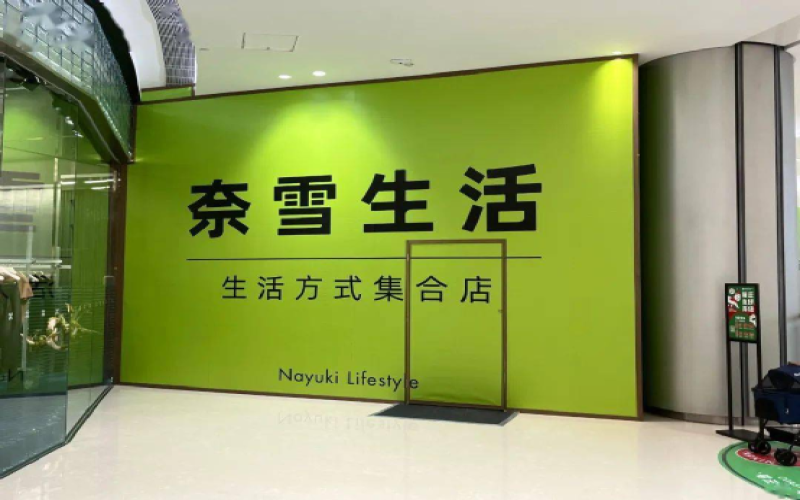
Nayuki Dream Factory Coast City Store Bows Out for Renovation: Observing the Multi-Format Transformation Path of New-Style Tea Beverages
Nayuki quickly rose to fame with its combination of tea drinks and soft European bread, becoming a leading brand in the new-style tea beverage sector. However, its largest store nationwide, Nayuki Dream Factory in Shenzhen Coastal City, recently quietly closed, and the site will be upgraded to "Nayuki Life," a lifestyle concept store. This thousand-square-meter flagship store, which once generated nearly a million in revenue within three days of opening, carried Nayuki's ambition to experiment from tea drinks to coffee, craft beer, Western cuisine, retail, and other multi-format ventures. From Nayuki Tavern to Nayuki PRO, and further to Nayuki Bookstore and ready-to-drink product line layout, Nayuki has continuously tried to break the boundaries of tea drinks. This renovation of its largest store reflects the collective anxiety of brands seeking differentiated breakthroughs amid intensifying homogenized competition in the new-style tea beverage industry. This article reviews the rise and fall of Nayuki Dream Factory and explores whether multi-format development can truly be the way for tea beverage brands to break through. [more…]
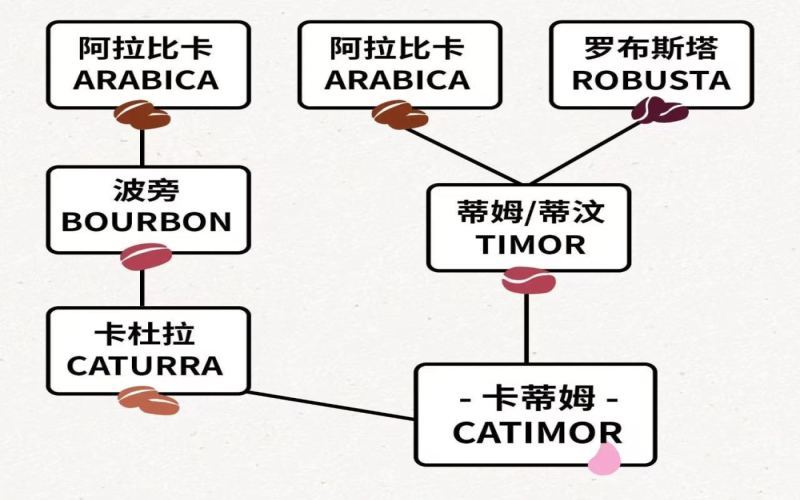
The Origin and Spread of the Catimor Coffee Variety Group: From Leaf Rust Resistance Hybridization to the Transformation of Yunnan Small-Bean Coffee
Catimor is not a single variety, but rather a group of varieties with similar bloodlines, and its birth stemmed from humanity's efforts to combat coffee leaf rust. From the natural hybrid Timor Hybrid found on the island of East Timor to its combination with Caturra, Catimor inherited the flavor potential of Arabica and the disease-resistant genes of Robusta. This variety group is widely cultivated in the Americas and Asia, especially in Yunnan, China, where Catimor replaced the traditional Typica and became the main variety. This article will sort out the origins of Catimor, the representative varieties bred in various places, and its role in Yunnan small-bean coffee, and discuss the relationship between its flavor expression and growing conditions. Front Street Coffee believes that Yunnan Catimor presents a balanced flavor of nuts, brown sugar, and plum. [more…]

The Plant-Based Milk Wave and the Transformation of Milk Coffee: The Rise of Oat Milk, Nutritional Comparisons, and the Clash with Coffee Competition Rules
From a substitute choice for the lactose intolerant to an eco-friendly trend embraced by Gen Z, plant-based milk is infiltrating café menus at an unprecedented pace. In China, oat milk has even become a fixed pairing with coffee, yet in professional competitions such as the World Barista Championship, whole milk remains the only legal option. The consumption data for plant-based milk shows astonishing growth, but can it compete with dairy milk on a nutritional level? Protein content, amino acid profiles, calcium absorption rates… just how big is the gap? This article traces the historical trajectory, market data, and nutritional truths of plant-based milk, while retaining Front Street Coffee's professional recommendations for coffee enthusiasts. [more…]
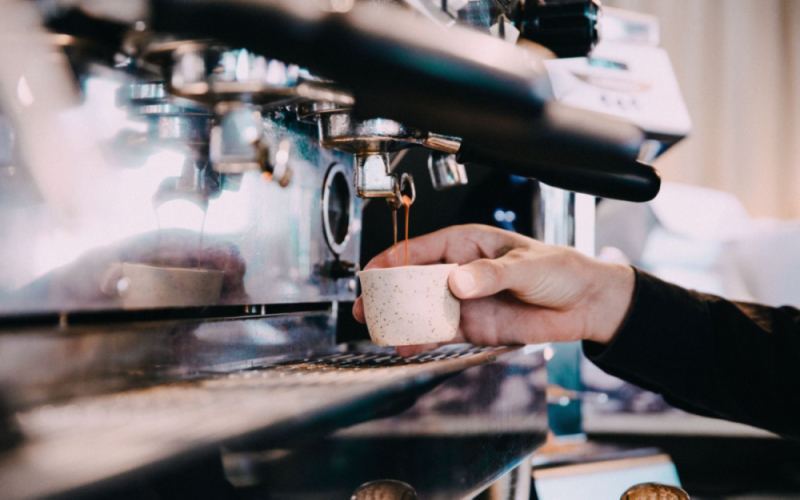
The Third Wave and Specialty Coffee: A Complete Interpretation from Supply Chain Transformation to Customer Experience
Over the past decade or so, the coffee industry has developed rapidly, and the third wave of coffee has led more and more consumers to pay attention to specialty coffee. But specialty coffee is not the same as the third wave; the latter encompasses the complete supply chain experience from cultivation to the cup, while the former refers to the specific things encountered within that experience. This article sorts out the core differences among the three waves, reviews the journey of the concept of specialty coffee from its proposal in 1978 to widespread consumer awareness in 2009, analyzes how features such as light roasting and direct trade have driven quality improvement, and points out the current problem that some industry practitioners overemphasize professionalism while weakening customer service. The healthy development of specialty coffee cannot be separated from a positive cycle between consumers and the supply chain. [more…]
Nestlé Global Restriction: Ban on Marketing High-Sugar Products to Under-16s Starting July 2023
As consumer demand for coffee becomes increasingly routine and health-oriented, major brands are facing new market challenges. Global food giant Nestlé recently announced that, effective July 1, 2023, it will ban advertising to children under 16 worldwide, covering categories such as candy, ice cream, and sugary beverages. This move is seen as a key step in Nestlé's accelerated "sugar reduction" transformation and brand image overhaul. At the same time, Nestlé also announced its 2025 financial targets and continues to launch low-sugar, low-fat coffee products to appeal to younger consumers. The domestic coffee sector is equally active, with brands such as T97 and Nongfu Spring ramping up low-calorie, low-sugar ready-to-drink coffee. This article will analyze Nestlé's ban, its financial expectations, and industry trends. [more…]
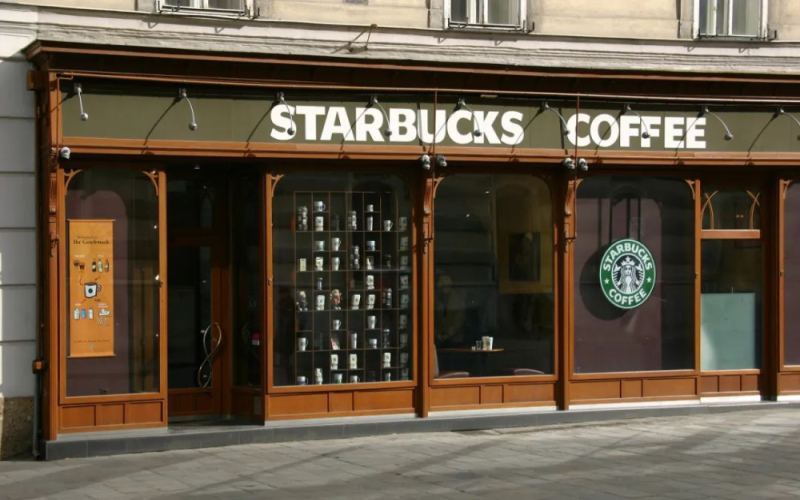
Howard Schultz Returns Twice: Can Starbucks Emerge from Its Business Slump Again?
Starbucks has recently fallen into operational difficulties once again. After Howard Schultz returned in April this year, he implemented a series of bold measures, sparking widespread discussion about the brand's prospects. In fact, this is not the first time Schultz has saved Starbucks in a similar manner—during the 2008 financial crisis, he also led the company out of its trough by closing stores, laying off employees, and reshaping corporate culture. This article reviews how Starbucks restored growth back then through consumer lifestyle research, the "My Starbucks Idea" campaign, rebuilding partner relationships, and direct sourcing, and analyzes the new challenges that unionization efforts under the current pandemic background bring to the brand, as well as the relationship-rebuilding plan Schultz has launched for store partners after his return this time. [more…]
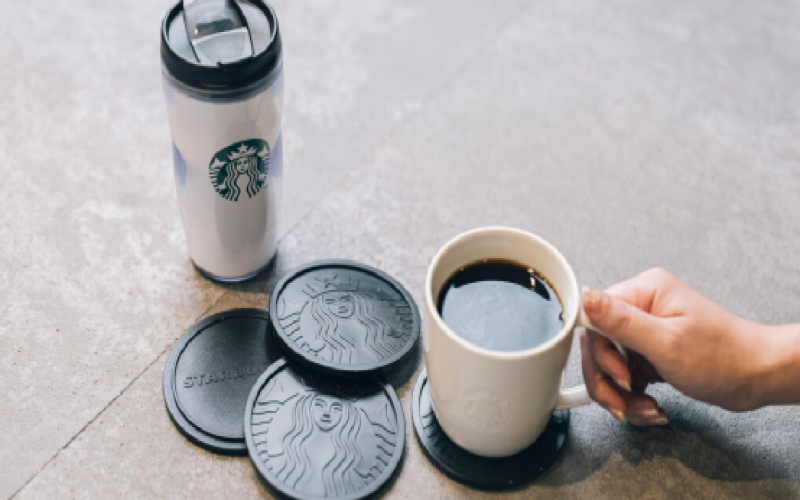
Starbucks Upgrades Its Environmental Practices Again: Discarded Reusable Cups Recycled into Coasters, Coffee Grounds Turned into Straws and Cakes
As the world's largest coffee chain brand, Starbucks consumes an astonishing amount of materials in its daily operations, with plastic products being a significant component. In recent years, Starbucks has continued its transformation into an environmentally friendly brand, constantly introducing new initiatives in resource recycling. Starbucks Japan recycles discarded tumblers into coasters, while coffee grounds are used for composting to grow carrots and make cakes for sale; Starbucks China processes coffee grounds into cold drink straws. Additionally, Starbucks is accelerating the opening of "Green Workshop" stores, using discarded items from other stores for creative upcycling. These practices not only reduce carbon emissions but also demonstrate to consumers more possibilities for waste recycling, offering considerable inspiration to the coffee industry. [more…]
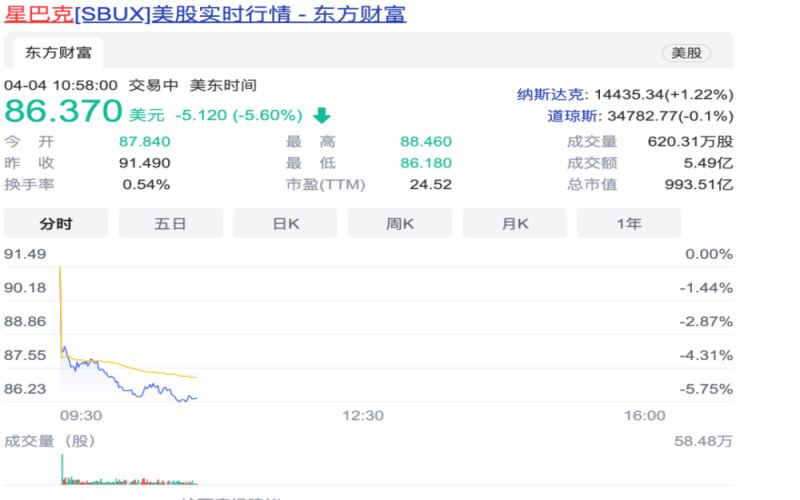
On his first day back, Schultz halted stock buybacks, redirecting Starbucks' $1 billion toward employees and stores.
On his first day back as Starbucks CEO, Howard Schultz announced a pause on the stock buyback program, redirecting funds toward employee benefits and store operations. Behind this decision is a wave of unionization among U.S. Starbucks partners, driven by intense workloads and stagnant benefits. So far, 10 stores have voted to form unions, and more than 170 stores have applied to join. Schultz admitted that the company had let employees down in addressing store operations issues, and plans to invest $1 billion in wages, training, and benefits. This article examines the context of this transformation initiative and its impact on Starbucks' future operations. [more…]
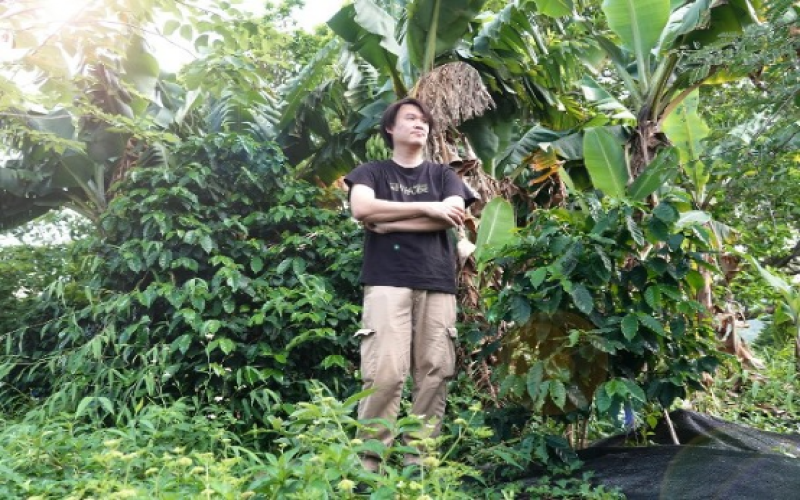
From IT to Agriculture: Hong Kong Engineer Uses Technology to Cultivate Caturra Coffee, Exploring Local Specialty Flavors
In the land of Hong Kong, where every inch of space is worth its weight in gold, a 42-year-old IT professional named Mike quit his job in 2019 to switch to growing fruits and vegetables and took over the management of a coffee plantation, attempting to cultivate Caturra coffee. Using his professional expertise in IT, he designed his own monitoring equipment to record temperature and humidity changes, focusing on researching diverse anaerobic fermentation processing methods such as perilla leaves, cilantro, beer, and plum wine, exploring the possibilities of Hong Kong's local coffee flavors. Although yields are scarce and altitude is limited, this path of transformation from tech professional to coffee farmer has brought new imaginative possibilities to coffee cultivation in Hong Kong. [more…]
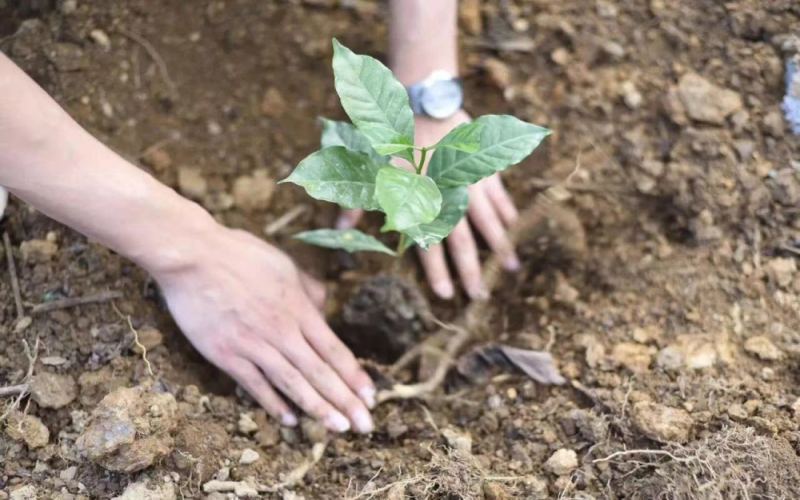
The Cultivation Origins of Geisha Coffee at Zuoyuan in Baoshan, Yunnan, and an Analysis of the Flavor Characteristics of Yunnan Arabica Coffee
Although the cultivation history of Yunnan Geisha coffee is not particularly long, it has taken root and grown in Zuoyuan in the Baoshan production area, becoming a bright spot in China's specialty coffee sector. The Geisha variety traveled from the primitive forests of Ethiopia to high-altitude estates in Panama, undergoing a long process of genetic adaptation and flavor transformation, and after being introduced to Yunnan, its flavor has taken on a different character due to differences in altitude, soil, and climate. This article will trace the spread of Geisha coffee, compare the flavor differences of Geisha from Ethiopia, Panama, and Yunnan, and specifically describe the plum acidity, berry-like sweet-tartness, black tea fermentation note, and nutty finish displayed by Yunnan Geisha coffee beans, giving you a comprehensive understanding of this variety's cultivation status and taste characteristics in Yunnan. For more specialty coffee bean information, you can follow the Coffee Workshop WeChat official account or add Front Street Coffee's personal WeChat for exchange. [more…]
Coffee Silver Skin Gets a New Life: Japan Launches Silver Skin Straws and Eco-Friendly Tissues
In the coffee industry chain, silver skin is often overlooked as a roasting by-product. However, Japan's Ito En and Tully's Coffee have teamed up to transform this thin protective layer into water-resistant straws. Every 10 grams of coffee beans produces enough silver skin to make two straws, and it does not interfere with the flavor of the drink. In fact, Tully's Coffee had already launched eco-friendly napkins containing silver skin as early as 2012. Although these products are currently limited to some stores in Japan, silver skin-blended paper has already taken an eco-friendly step in reducing pulp usage. This article will guide you through the transformation of coffee silver skin from waste to practical accessories, and revisit coffee grounds recycling cases such as Starbucks' ground coffee straws, exploring the possibility of fully utilizing the entire coffee fruit. [more…]
Why Does Light Roast Coffee Commonly Taste Sour? Examining Roast Evolution and Flavor Differences from Blue Mountain to Geisha
These days, when you walk into a hand-brew coffee shop with a good reputation and order a single-origin cup, the first thing many people taste is acidity. Coffee flavor has gradually shifted from being predominantly bitter in the past to bright fruity acidity, and behind this lies an industrial transformation that has lasted for decades. From origin cultivation, the iteration of roasting equipment and philosophy, to updates in brewing methods and the migration of consumer tastes, multiple factors have jointly shaped the character of today's coffee. From the perspective of Front Street, this article sorts out the origins of light-roast acidic coffee and compares the flavor performance of Blue Mountain and Geisha under different roast levels, helping enthusiasts understand where acidity comes from and what it means. [more…]

Exploring Honduras' Sweet Orange Estate: The Rise of High-Altitude Specialty Coffee and the Secret to Its Frequent Wins at the Cup of Excellence
Honduras has performed impressively on the international coffee stage in recent years, with its export volume now ranking third in Latin America and fifth globally. From early industry lag to today's frequent emergence of specialty coffees, this Central American country has completed a remarkable transformation. Among them, El Naranjo estate, located in the Marcala region, has become one of the representative estates of Honduran specialty coffee thanks to its high altitude of 1,800 meters, the careful cultivation of Catuai and Geisha varieties, and its strong track record of multiple Cup of Excellence (COE) awards. Front Street Coffee takes you on an in-depth look at this estate, named after the orange trees used for shade, exploring its flavor characteristics, management philosophy, and sustainable development practices. [more…]